



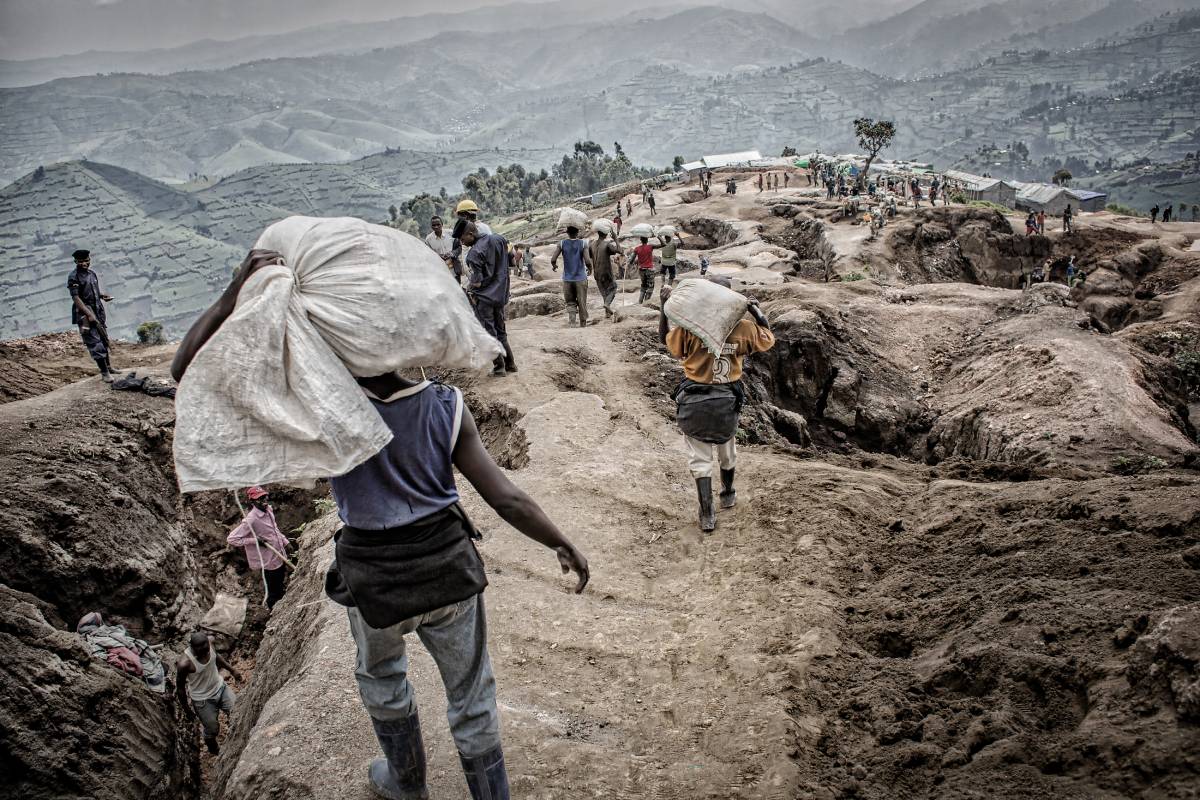

Fully traceable artisanal diamonds from the Democratic Republic of the Congo (DRC) have been sold on the international market in Antwerp for the first time through the OrigemA initiative, a project involving the Antwerp World Diamond Centre (Antwerp World Diamond Centre), the Congolese government, NGO Resolve and technology partner Everledger, with financial support from the Federal Public Service Foreign Affairs.
A total of 103.77 carats of rough diamonds from the Kasaï region were offered during an initial sales round in Antwerp. The stones originated from the Kamana Ndeke mine near Tshikapa and were mined by the COMIDIANZ cooperative. The sale was conducted via a public tender organised by the diamond company Bonas-Couzyn in Antwerp.
Traceability System and Supply Chain Structure
The OrigemA project introduces a digital tracking system designed to record each stage of the supply chain from extraction in the DRC to sale in Antwerp. The system has been developed to provide documented provenance for artisanal production, which has traditionally moved through multiple intermediaries before reaching international markets.
The initiative has been set up to reduce the number of intermediaries involved in the trade, with the stated aim of improving access to international buyers for artisanal producers.
Industry and Production Context
According to the Antwerp World Diamond Centre, the DRC accounts for almost 70% of global artisanal diamond production, which represents around 5% of total global diamond output.
Artisanal production in the sector is typically characterised by small-scale mining operations that often rely on structured buying networks before goods enter formal trading hubs such as Antwerp. The OrigemA model introduces direct market participation for selected cooperatives through traceable sourcing.
Project Objectives and Market Access
The OrigemA initiative is positioned as a mechanism to provide artisanal miners with access to international markets and to address pricing structures within existing supply chains.
“With OrigemA, our main aim was to provide a solution to the challenges faced by artisanal miners in Congo,” said Antwerp World Diamond Centre CEO Karen Rentmeesters.
“First and foremost, their diamonds cannot access international markets, which means that many cooperatives do not receive the fair price they deserve,” she said.
Implications for the Jewellery Supply Chain
For jewellery manufacturers and retailers, the development reflects a continued shift towards verifiable provenance in natural diamond supply chains. Systems that document origin and movement from mine to market are increasingly relevant for due diligence processes, particularly where sourcing transparency is required by downstream buyers and regulatory frameworks.
The introduction of traceable artisanal material into a formal trading hub such as Antwerp may also influence how smaller-scale production is integrated into existing supply channels. For jewellers, this includes potential access to additional categories of origin-verified rough diamonds, alongside increased documentation requirements for supply chain reporting and product provenance claims.
